In the Spotlight

Mozambique LNG & Coral South
In 2011 one of the world's largest gas reserves was found in northern Mozambique. ECAs from all over the world — including from China, France, Italy, South Korea, Japan, Netherlands, South Africa, the UK, and the US — along with other financial institutions and multinationals have since been involved in financing the USD 20 billion Mozambique LNG project and USD 8 billion Coral South project. On land, constructions forced hundreds of families from rural communities out of their homes and away from their farmland and fishing ground. Since 2017, a violent conflict has been raging in the region with more than half a million people displaced. Human rights and environmental groups warn that the project is worsening the conflict and fuelling violence from armed militias. Nevertheless, Total Energies is resuming the project construction in 2025.
Papua LNG
The project is expected to emit approximately 240 million MtCO2e over its entire lifecycle, and it failed to provide Free Prior Informed Consent (FPIC) to the local communities. Local authorities, members of Parliament, and Indigenous Peoples have pointed out several irregularities in the public consultation process, such as lack of information about the project's environmental, public health, and human rights risks before its approval; omissions in the list of landowners released by the government; and intimidation by police presence at consultation meetings with Indigenous communities. TotalEnergies and other partners have failed to show that the FPIC of affected Indigenous Peoples has been secured.
Other Relevant ECAs Projects
Barossa LNG Project
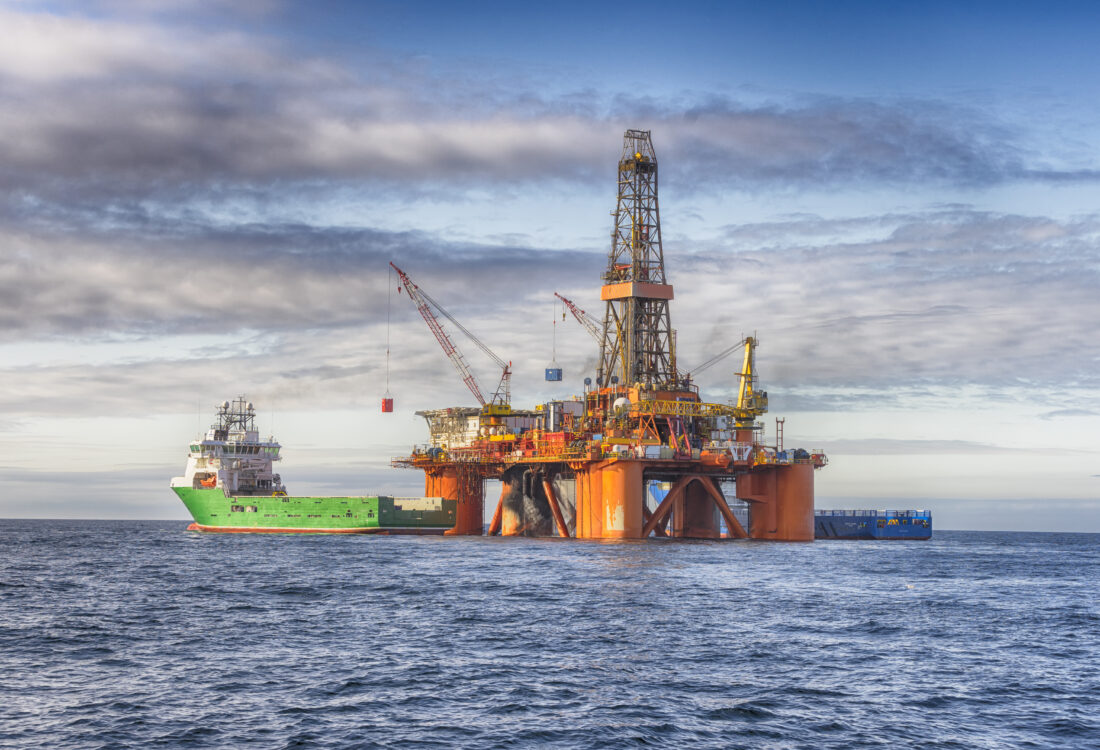
If approved, the project will be one of the world’s most carbon intensive offshore gas project. In 2022, the Indigenous Tiwi people won landmark court case invalidating Santos’ license to operate. Despite court’s ruling, Barossa keeps receiving investment support. KEXIM already provided US$200 million in ECA support and additional financing is being considered by KEXIM, K-SURE and JBIC.

Cirebon 2 Coal Plant
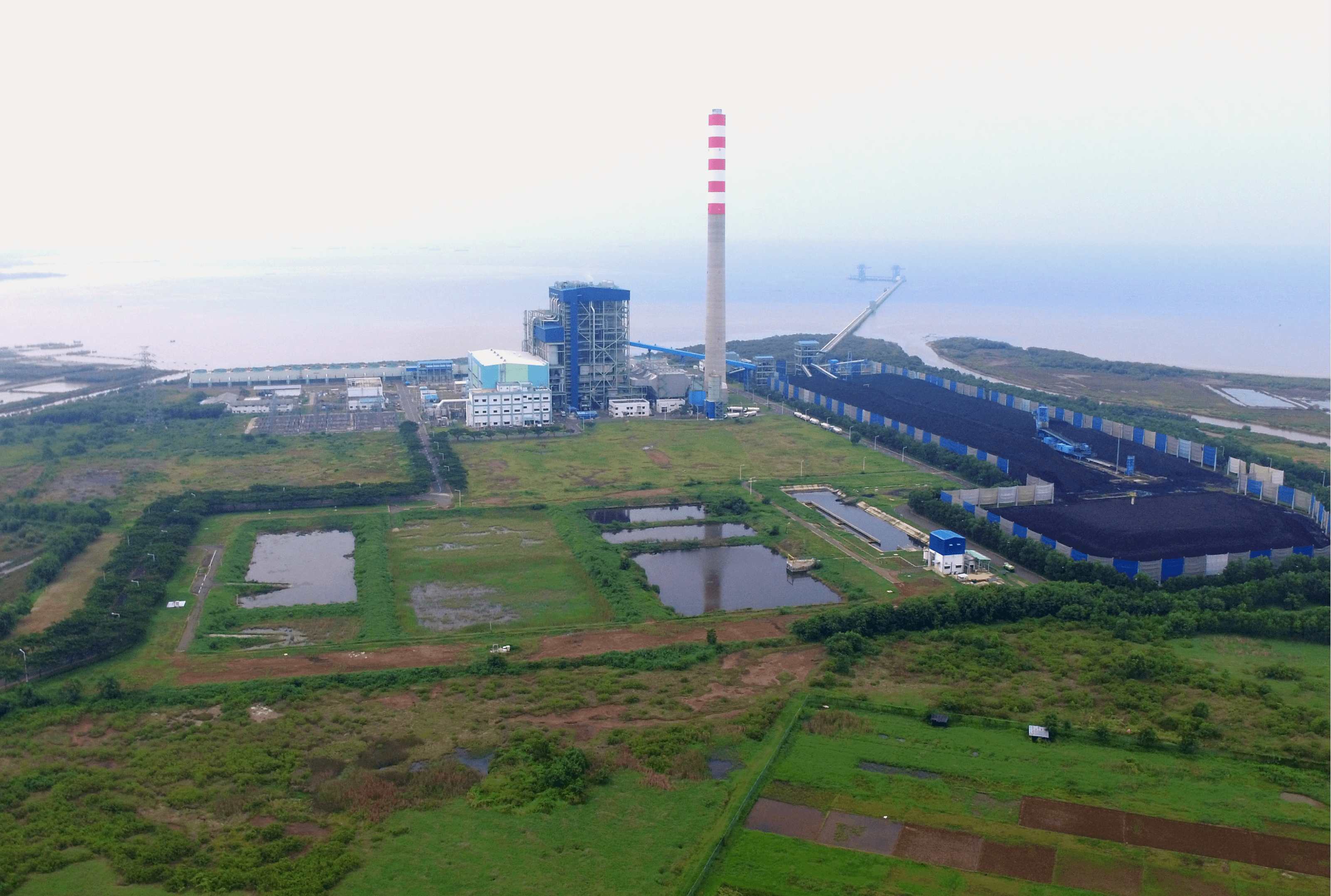
A consortium of Japanese, South Korean and Indonesian companies have constructed a 1000-MW coal-fired power plant in the West Java province of Indonesia. Besides the risks to climate, the project carries various environmental and social risks. These risks result from, among other things, the lack of appropriate measures to restore threatened livelihoods; the lack of adequate technology for pollution control; an inadequate environmental impact assessment; and the lack of sufficient public participation in the plant's development process.